
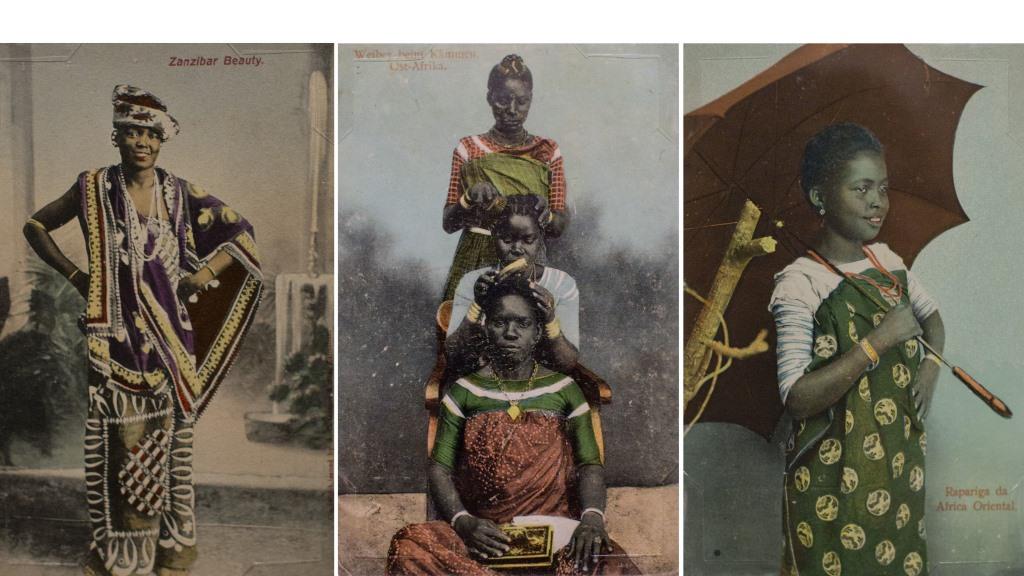
Story of Swahili. and the British. The coastal people traded with and learned from all of them,
building up an ever more complex and nuanced lexicon from historical ties
among the peoples and cultures of the vast Indian Ocean region.
Chapter 4 draws on the vistas of the past in the language of today to look
at the Swahili-speaking region from 1000 to 1500 CE.
Swahili story and culture
During these years,
the cities of the coast enjoyed their greatest commercial prosperity and political autonomy, with their heyday in the twelfth and thirteenth centuries.
Using the image of the mnazi (coconut tree) and the sambo (chombo) (ship/
vessel) as the icons of Swahili cosmopolitanism, the chapter details the core
values of the Swahili culture and the ways that East Africa’s independent
city-states negotiated foreign trade and diplomacy, both separately and as
confederations.
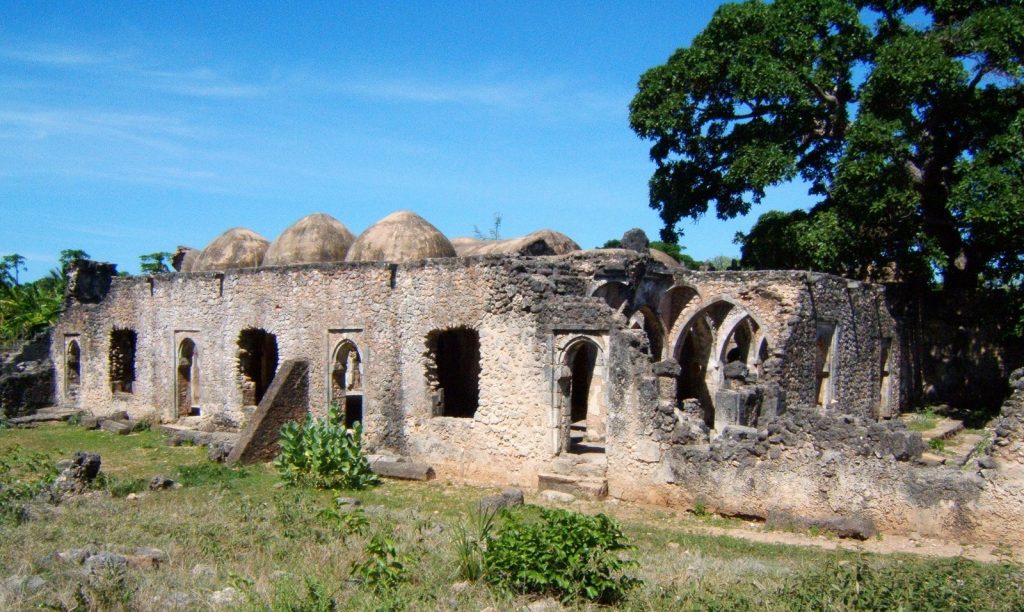
Swahili patricians grew wealthy
during this time of relative
peace and considerable prosperity increased their knowledge and observance of Islam, and built cities of coral stone that were filled with mosques
and elaborate tombs. They patronized artists and architects who, together
with traders in the markets and along the shore, worked creatively in the
idioms of the imported traditions.
The chapter reveals the Swahili language
and culture as cosmopolitan, infused with the Islamic enlightenment of
the era, urbane, and possessing a rich material culture drawn from numerous places near and far. During this period, Pan-Swahili culture came to
dominate East Africa’s Indian Ocean littoral, from modern Mogadishu in
Somalia to what is today northern Mozambique
It is noteworthy that the
The earliest known use of the word Swahili comes from the fourteenth-century
the zenith of coastal prosperity, in a report from the famous Moroccan Berber
Muslim traveler and writer Ibn Battuta.

At that time, an integrated Swahili
commercial society was going about the business of conducting East Africa’s Indian Ocean trade. The ways in which that society used the mnazi
and the sambo reflect the development of indigenous knowledge at its best,
showing how the people employed local initiatives to solve problems and
to adapt to changing circumstances.
Recent Comments